
Top Tips for OSHA Compliance in Dental Offices
Ensuring a safe and compliant workplace is crucial for dental offices. The Occupational Safety and Health Administration (OSHA) sets forth regulations that help protect employees from workplace hazards. For dental professionals, understanding and implementing these regulations is not just about compliance; it’s about creating a safe environment for both staff and patients. Here are some top tips for maintaining OSHA compliance in your dental practice.
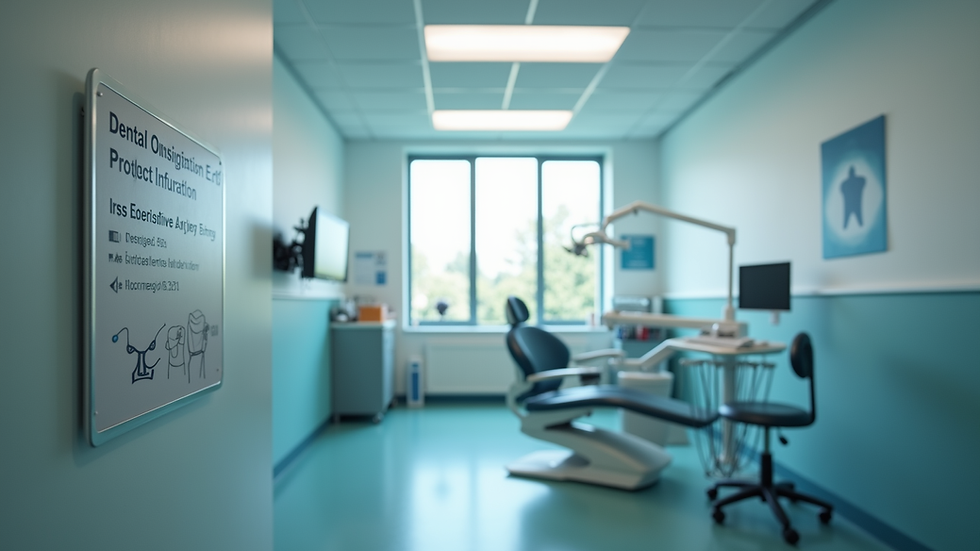
Understand OSHA Standards
The first step in achieving OSHA compliance is to familiarize yourself with the relevant standards that apply to dental practices. OSHA regulations cover a wide range of topics, including:
Bloodborne Pathogens: Dental offices must have an exposure control plan to minimize the risk of exposure to bloodborne pathogens.
Hazard Communication: This includes proper labeling of chemicals and providing safety data sheets (SDS) for all hazardous materials.
Personal Protective Equipment (PPE): Dental professionals must use appropriate PPE, such as gloves, masks, and eyewear, to protect against exposure to infectious materials.
Key OSHA Standards for Dental Offices
29 CFR 1910.1030: This standard addresses bloodborne pathogens and requires dental offices to implement an exposure control plan.
29 CFR 1910.1200: This standard focuses on hazard communication, ensuring that employees are informed about the chemicals they may encounter.
29 CFR 1910.132: This standard mandates the use of personal protective equipment to safeguard employees from workplace hazards.
Conduct Regular Training
Training is essential for ensuring that all staff members understand OSHA regulations and how to implement them effectively. Regular training sessions should cover:
Infection Control Procedures: Staff should be trained on proper sterilization techniques and infection control protocols.
Emergency Procedures: Employees must know how to respond to emergencies, including exposure incidents and fire safety.
Use of PPE: Training should include how to properly use, maintain, and dispose of personal protective equipment.
Implementing a Training Schedule
Initial Training: New hires should receive comprehensive training on OSHA standards and safety protocols during their orientation.
Annual Refresher Courses: Schedule annual training sessions to keep staff updated on any changes in regulations or procedures.
Documentation: Keep records of all training sessions, including dates, topics covered, and attendance.
Maintain a Clean and Organized Workplace
A clean and organized dental office not only enhances patient experience but also contributes to OSHA compliance. Here are some tips for maintaining a safe environment:
Regular Cleaning: Establish a cleaning schedule for all areas of the office, including treatment rooms, waiting areas, and restrooms.
Proper Waste Disposal: Ensure that biohazardous waste is disposed of according to OSHA regulations. Use clearly labeled containers for sharps and other hazardous materials.
Organized Workspaces: Keep work areas free of clutter to prevent accidents and ensure easy access to safety equipment.
Example of a Cleaning Schedule
| Area | Frequency | Responsible Person |
|--------------------|----------------|---------------------|
| Treatment Rooms | Daily | Dental Assistants |
| Waiting Area | Twice Daily | Receptionist |
| Restrooms | Daily | Office Manager |
Conduct Regular Inspections
Regular inspections of the dental office can help identify potential hazards and ensure compliance with OSHA standards. Consider the following steps:
Self-Inspections: Conduct regular self-inspections to identify hazards and ensure that safety protocols are being followed.
Checklists: Use checklists to ensure that all areas of the office are inspected thoroughly.
Address Issues Promptly: If any hazards are identified, take immediate action to correct them.
Sample Inspection Checklist
Are all safety signs visible and in good condition?
Is personal protective equipment available and in good condition?
Are emergency exits clearly marked and accessible?
Is the first aid kit fully stocked?
Create an Emergency Action Plan
An emergency action plan (EAP) is essential for any dental office. This plan should outline procedures for various emergencies, including:
Fire Emergencies: Procedures for evacuation and fire extinguisher use.
Medical Emergencies: Steps to take in case of a medical emergency involving staff or patients.
Exposure Incidents: Protocols for handling exposure to bloodborne pathogens or hazardous materials.
Components of an Effective EAP
Emergency Contacts: List of emergency contacts, including local emergency services and poison control.
Evacuation Routes: Clearly marked evacuation routes and assembly points.
Training: Regular drills to ensure staff are familiar with the EAP.
Document Everything
Documentation is a critical aspect of OSHA compliance. Keeping accurate records can help demonstrate compliance during inspections and audits. Important documents to maintain include:
Training Records: Keep records of all training sessions, including dates, topics, and attendees.
Incident Reports: Document any workplace incidents, including injuries or exposure incidents, and the actions taken in response.
Inspection Records: Maintain records of all inspections, including findings and corrective actions taken.
Benefits of Proper Documentation
Demonstrates Compliance: Well-maintained records can help prove compliance during OSHA inspections.
Identifies Trends: Reviewing incident reports can help identify trends and areas for improvement.
Enhances Accountability: Documentation holds staff accountable for following safety protocols.
Stay Updated on OSHA Regulations
OSHA regulations can change, so it’s essential to stay informed about any updates that may affect your dental practice. Here are some ways to stay updated:
Subscribe to OSHA Newsletters: Sign up for OSHA newsletters to receive updates on regulations and best practices.
Attend Workshops and Seminars: Participate in industry workshops and seminars to learn about the latest compliance strategies.
Join Professional Organizations: Being a member of dental associations can provide access to resources and information on OSHA compliance.
Foster a Safety Culture
Creating a culture of safety within the dental office is vital for ensuring compliance and protecting staff and patients. Here are some strategies to foster a safety culture:
Encourage Open Communication: Create an environment where staff feel comfortable reporting hazards or suggesting improvements.
Recognize Safe Practices: Acknowledge and reward staff members who consistently follow safety protocols.
Lead by Example: Management should model safe behaviors and prioritize compliance in all aspects of the practice.
Example of Safety Recognition Program
Monthly Safety Awards: Recognize staff members who demonstrate exceptional commitment to safety with a monthly award.
Safety Meetings: Hold regular safety meetings to discuss safety concerns and celebrate successes.
Conclusion
Achieving OSHA compliance in dental offices is essential for protecting both staff and patients. By understanding OSHA standards, conducting regular training, maintaining a clean workplace, and fostering a culture of safety, dental practices can create a safe environment that meets regulatory requirements. Remember, compliance is not just about following rules; it’s about ensuring the well-being of everyone in the office. Take proactive steps today to enhance safety and compliance in your dental practice.

Comments