
Mastering Coronal Polishing: Advanced Training for Auxiliaries
Coronal polishing is a vital skill for dental auxiliaries, enhancing both patient care and professional development. As dental practices evolve, so do the techniques and technologies associated with oral hygiene. This blog post aims to provide an in-depth look at coronal polishing, its significance, and advanced training methods for auxiliaries.
Understanding Coronal Polishing
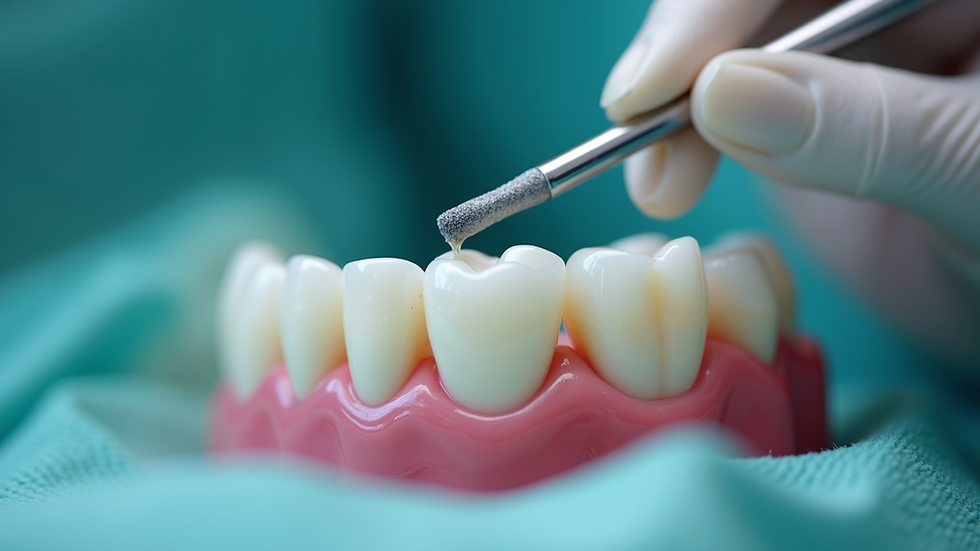
Coronal polishing is a procedure that involves the removal of plaque and stains from the coronal surfaces of teeth. This process is essential for maintaining oral health and preventing dental diseases.
Importance of Coronal Polishing
Prevention of Dental Issues: Regular coronal polishing helps in the prevention of cavities and gum diseases.
Aesthetic Improvement: Polished teeth appear cleaner and brighter, enhancing a patient’s smile.
Patient Education: During the polishing process, dental auxiliaries can educate patients about proper oral hygiene practices.
The Role of Auxiliaries in Coronal Polishing
Dental auxiliaries, including dental hygienists and dental assistants, play a crucial role in performing coronal polishing. Their training and expertise are essential for ensuring the procedure is done safely and effectively.
Key Responsibilities
Preparation: Ensuring the patient is comfortable and the workspace is clean.
Execution: Using the appropriate tools and techniques to polish teeth.
Post-Procedure Care: Providing patients with aftercare instructions and advice on maintaining oral hygiene.
Advanced Techniques in Coronal Polishing
As dental technology advances, so do the techniques used in coronal polishing. Here are some advanced methods that auxiliaries should be familiar with:
Use of Ultrasonic Scalers
Ultrasonic scalers are becoming increasingly popular in dental practices. These devices use high-frequency vibrations to remove plaque and calculus more effectively than traditional hand instruments.
Benefits: Faster cleaning, less manual effort, and improved patient comfort.
Training: Auxiliaries should receive specific training on how to use ultrasonic scalers safely and effectively.
Air Polishing
Air polishing is another advanced technique that utilizes a mixture of air, water, and a polishing powder to remove stains and plaque.
Advantages: This method is less abrasive than traditional polishing and can reach areas that are difficult to access.
Considerations: Proper training is essential to avoid damaging the enamel or soft tissues.
Training Programs for Auxiliaries
To master coronal polishing, dental auxiliaries should engage in comprehensive training programs. These programs typically include both theoretical knowledge and practical skills.
Components of Effective Training
Theoretical Knowledge: Understanding the anatomy of teeth, the causes of plaque buildup, and the importance of oral hygiene.
Hands-On Practice: Practicing polishing techniques on dental models or during supervised clinical sessions.
Assessment and Feedback: Regular assessments to evaluate skills and provide constructive feedback.
Continuing Education
Continuing education is crucial for dental auxiliaries to stay updated on the latest techniques and technologies in coronal polishing. Many organizations offer workshops and online courses that focus on advanced polishing methods.
Best Practices for Coronal Polishing
To ensure the best outcomes for patients, dental auxiliaries should follow these best practices during coronal polishing:
Patient Comfort
Communication: Explain the procedure to the patient and address any concerns they may have.
Positioning: Ensure the patient is comfortably positioned to minimize strain during the procedure.
Technique
Gentle Pressure: Apply gentle pressure while polishing to avoid damaging the enamel.
Consistent Motion: Use a consistent motion to ensure even polishing across all surfaces.
Post-Procedure Care
Aftercare Instructions: Provide patients with clear instructions on how to care for their teeth after polishing.
Follow-Up: Schedule follow-up appointments to monitor oral health and address any issues.
Challenges in Coronal Polishing
While coronal polishing is a routine procedure, it can present challenges for dental auxiliaries. Understanding these challenges can help in developing effective strategies to overcome them.
Common Challenges
Patient Anxiety: Some patients may feel anxious about dental procedures. Building rapport and trust can help alleviate their fears.
Time Management: Balancing the time spent on polishing with other duties can be challenging. Efficient workflow management is essential.
Strategies for Overcoming Challenges
Effective Communication: Engage with patients to understand their concerns and provide reassurance.
Practice Efficiency: Streamline the polishing process by organizing tools and materials beforehand.
Conclusion
Mastering coronal polishing is essential for dental auxiliaries aiming to enhance their skills and provide exceptional patient care. By engaging in advanced training, understanding best practices, and overcoming challenges, auxiliaries can significantly improve their proficiency in this vital procedure.
As you continue your journey in dental hygiene, remember that ongoing education and practice are key to mastering coronal polishing. Embrace the learning opportunities available to you, and strive for excellence in your role as a dental auxiliary.

Comments